Family Dinner Ideas
How to Pack a Lunchbox for a Picky Eater
By The Calm Table Editorial Team · June 20, 2026 · 10 min read
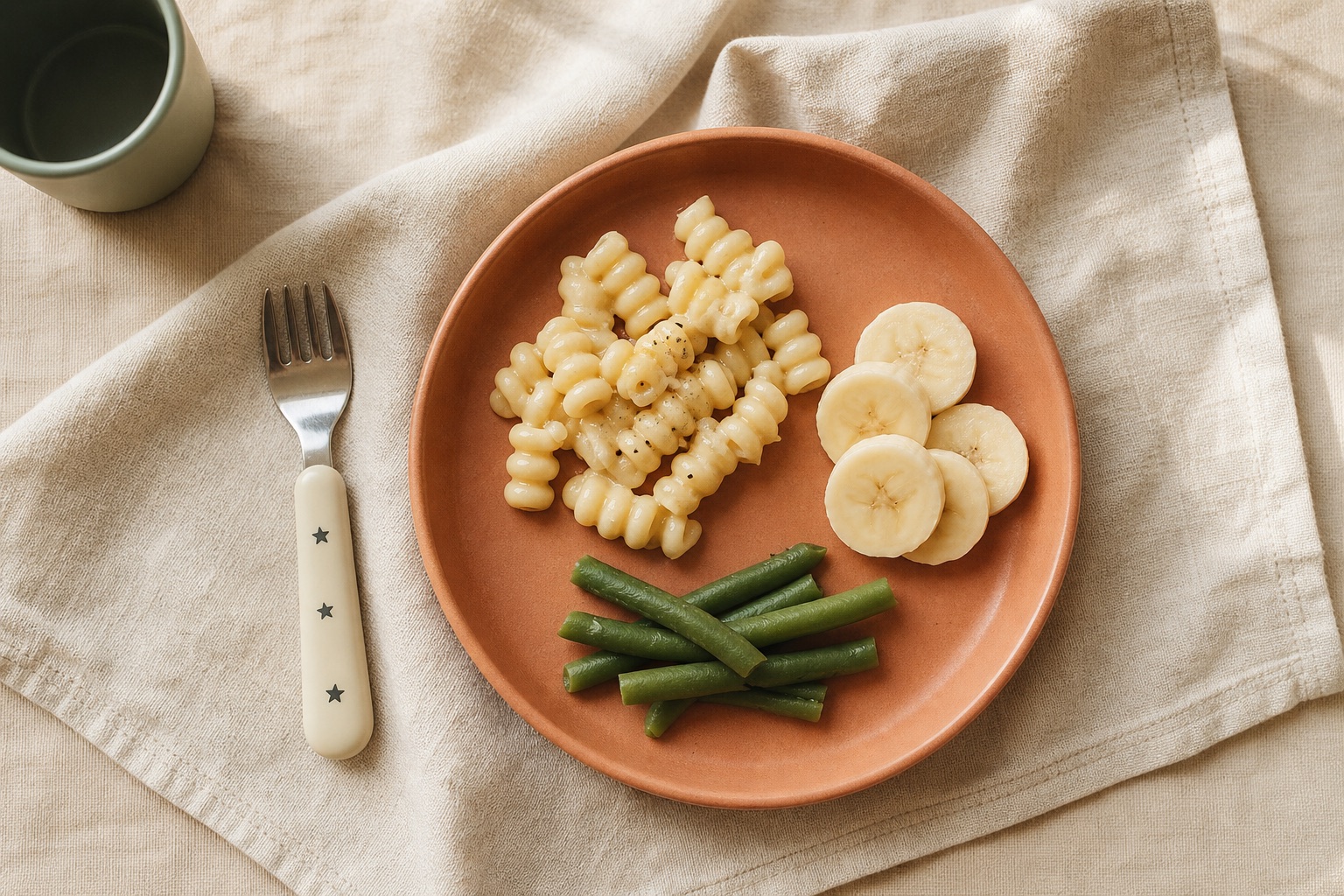
A lunchbox comes home almost untouched, and you have no idea whether your child was not hungry, ran out of time, disliked the smell, could not open the container, or felt overwhelmed by the food. Packing more options can seem like the answer, but an overfilled box may add pressure. A useful picky eater lunchbox is not the most colorful one online. It is a manageable meal your child can access independently, with enough familiarity to eat and a small amount of room for learning. Start with function, then build variety gradually.
Decide what lunch needs to do
The first job of a school or daycare lunch is to offer an accessible eating opportunity during a busy day. It does not need to carry the full burden of expanding your child's diet. Group settings can be noisy, rushed, social, and unpredictable, which may make cautious eaters rely even more on familiar foods. Save bigger food-learning experiments for home, where you can control time and pressure. At lunch, aim for foods your child can manage, portions that do not overwhelm, and packaging they can open with the skills and help available.
Use a familiar anchor
Choose one substantial item your child usually accepts, such as a sandwich, plain pasta, rice, yogurt, cheese and crackers, a muffin, leftovers, or another food that fits your culture and setting. “Usually” matters because no food is guaranteed every day. The anchor is not a reward and does not need to be the same all week.
Rotate within the accepted list
If your child has several dependable foods, rotate them across the week rather than changing everything inside one lunch. Monday might use a cheese sandwich, Tuesday pasta, and Wednesday crackers with a protein your child accepts. Rotation protects familiarity while preventing the lunchbox from depending on one exact item. If the accepted list is extremely small, focus on reliable intake and seek professional guidance rather than abruptly removing the only foods your child manages.
Pack a reasonable amount
An overflowing lunchbox can look like a task. Begin with portions that resemble what your child eats at home, keeping in mind that lunch periods may be short. You can pack enough without filling every compartment. If food returns, that does not automatically mean the portion was wrong; it is one clue to combine with your child's report and the caregiver's observations.
Use a simple lunchbox formula
Try an anchor food, a fruit or vegetable your child sometimes accepts, a second familiar side, and water or the drink recommended for your child and setting. This is a flexible planning tool, not a nutrition rule. A lunch could be plain pasta, strawberries, cheese, and cucumber; a tortilla with accepted filling, applesauce, and crackers; or yogurt, a mini muffin, banana, and a few peas. Adapt for allergies, age-appropriate textures, cultural foods, and school policies. If one category is not currently accepted, keep meals adequate with professional guidance while you work on exposure elsewhere.
Free guide: 10 Phrases to Stop Saying at Dinner Tonight
Add only one learning food
If your child tolerates it, include a tiny amount of one less familiar food beside dependable items: one blueberry, a small strip of pepper, a new cracker, or a teaspoon of a mixed dish. Keep the portion small enough that it does not crowd or contaminate accepted foods. Do not send a completely new main dish and hope hunger will take over. Tell your child neutrally what is packed and that tasting is optional. The food can return untouched without becoming a failed assignment.
Practice the container before it matters
A child may skip food because a lid, pouch, peel, wrapper, or utensil is difficult. Have a short lunchbox practice at home: let your child open each compartment, remove a seal, use the fork, and close the box. Check whether food shifts and touches during transport. Ask the school what help is available and whether there are restrictions on glass, nuts, reheating, or certain containers. Independence is useful, but needing adult help is not misbehavior. The lunch system should match the actual setting.
Protect texture and temperature
Some picky eaters notice small changes in texture. Toast may become soft, crackers may absorb moisture, or chilled pasta may feel different from pasta at home. Use separate compartments or small containers when that preserves foods your child accepts. For perishable items, use an insulated lunch bag and appropriate cold packs, and follow school rules and current local food-safety guidance. Use a suitable insulated hot container only according to its directions. Food safety comes before exposure goals, and an online article cannot account for every climate or schedule.
Skip pressure notes and lunchbox surprises
A note saying “Please eat five bites” may recruit teachers into a struggle and make lunch feel monitored. Write connection notes instead: “I love you,” or a simple drawing. Avoid hiding a disliked ingredient in a familiar food or switching brands without warning if your child is sensitive to changes. You can still make gradual variations; name them ahead of time and keep another familiar option available. Trust makes it easier for a child to explore. Surprise is not the same as exposure.
Read the returned lunchbox like information
When food comes home, avoid “Why didn't you eat?” Try specific, neutral questions later: “Was there enough time?” “Was anything hard to open?” “Did the pasta feel different when it was cold?” Young children may not know, so check patterns across several days. Ask caregivers what they observe without requesting bite enforcement. If one food repeatedly returns, adjust portion, preparation, placement, or timing. A returned item is data about that setting on that day, not proof your child is ungrateful or that you packed badly.
Five low-pressure lunchbox combinations
Try accepted pasta with cheese cubes, soft fruit, and one cucumber slice; a familiar sandwich with crackers, applesauce, and one new berry; yogurt with oats or cereal packed separately, banana, and a mini muffin; rice with an accepted protein, fruit, and one small vegetable; or crackers with cheese or another accepted protein, pear slices, and a teaspoon of dip. Adjust every example for choking safety, allergies, refrigeration, school rules, and your child's actual accepted foods. The formula matters more than copying a menu exactly.
When to ask for more help
Talk with your pediatrician if your child regularly eats little or nothing at school and cannot make up intake comfortably elsewhere; the accepted-food list is very limited or shrinking; there are concerns about growth, energy, hydration, constipation, or nutrient intake; or eating involves pain, frequent gagging, coughing, choking, or trouble chewing or swallowing. Ask the school about time, seating, noise, opening help, and any observed distress. A registered dietitian or feeding specialist can help tailor lunches after medical issues are considered. If your child has a diagnosed allergy or feeding plan, follow the individualized instructions from the healthcare team and school.
Related reads
Ready to actually solve this?
The 30-Day Reset gives you the full system: scripts, meal plan, and daily guide.
Start the Reset · $27